
 English
 Spanish
 Russian
 Arabic
 Italian


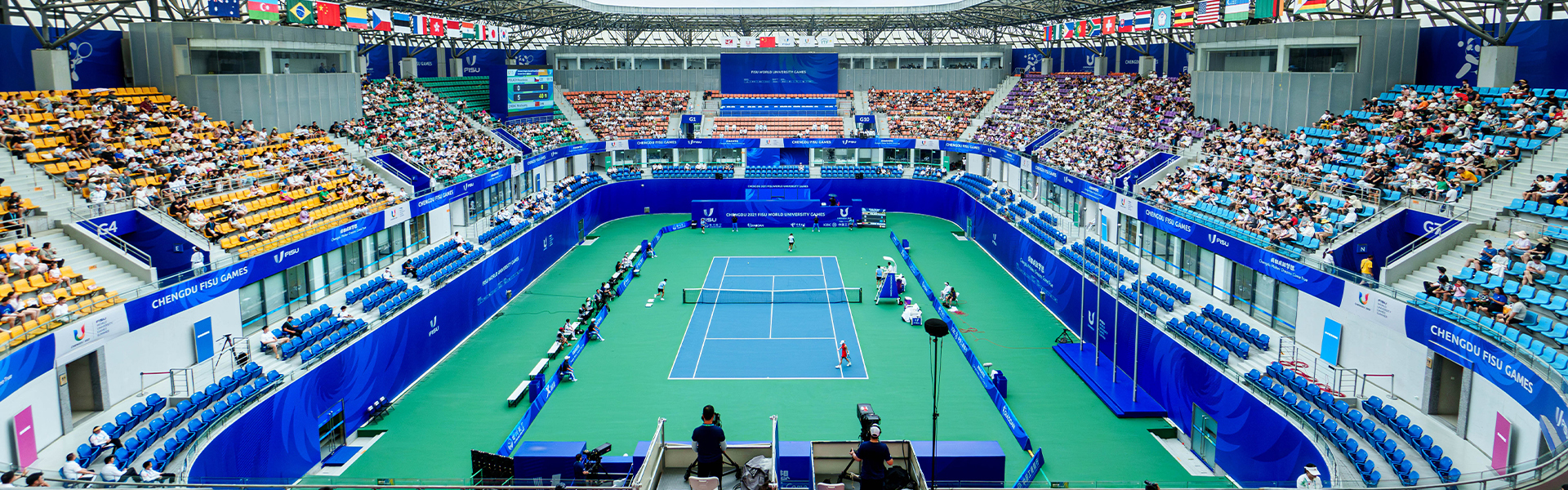
Professional LED Sports Lighting Solutions for Modern Stadiums
Professional sports lighting is more than simply illuminating a playing area. It affects athletes' visibility, spectators' viewing comfort, broadcast image quality and the daily operation of a sports venue.
For stadium owners, sports facility operators and project contractors, choosing the right LED sports lighting system requires careful consideration of the venue layout, competition level, lighting performance and long-term operating requirements.
SCL Sports Lighting provides professional LED sports lighting solutions for stadiums, sports courts and training facilities, combining lighting design, product manufacturing and project-specific technical support.

1. What Makes a Professional Sports Lighting System?
A professional sports lighting system needs to deliver consistent lighting performance across the entire playing area. Selecting floodlights based only on wattage or total lumen output is not enough.
Several factors should be considered during the lighting design process:
Illuminance: The required lighting level depends on the sport, competition category, venue requirements and whether television broadcasting is involved.
Lighting Uniformity: Light should be distributed consistently across the playing surface. Poor uniformity can affect athletes' visibility and create distracting bright and dark areas.
Glare Control: The optical design and aiming angles of floodlights should help reduce direct glare for players, spectators and officials.
Colour Rendering and Camera Performance: For televised events, lighting should support clear, natural-looking images and stable visual performance under broadcast cameras.
Light Spill Control: Outdoor venues should consider surrounding buildings, nearby roads and residential areas when planning fixture positions and beam directions.
These factors need to be evaluated together rather than treated as separate product specifications.

2. Lighting Design for Different Sports and Competition Levels
Different sports venues have different lighting requirements. Even facilities used for the same sport may need different lighting arrangements depending on their size, installation height, competition level and operational purpose.
Football Stadium Lighting
Football stadium lighting design involves the playing field dimensions, pole positions, mounting heights, beam distribution and required lighting levels.
For professional competitions and televised matches, designers need to pay particular attention to horizontal and vertical illuminance, uniformity, glare control and camera-facing lighting conditions.
SCL Sports Lighting has supplied lighting systems for football venues with different competition requirements, including The Mandela National Stadium in Uganda, where the project was designed for FIFA A-level requirements with a reported illuminance of 2,000 lux.

Tennis Court Lighting
Tennis lighting needs to provide clear visibility of the ball during fast rallies while maintaining visual comfort for players.
Uniform illumination, glare control and appropriate fixture positioning are important considerations, particularly for courts used in professional competitions and television broadcasts.
Basketball and Indoor Sports Lighting
Indoor sports venues require lighting that supports fast player movement, clear ball visibility and comfortable viewing from different seating positions.
For televised competitions, designers should also consider vertical illuminance, flicker-related camera performance and the lighting requirements of different event modes.
Training and Community Sports Facilities
Training grounds, schools and community sports facilities may have different operating schedules and lighting requirements from professional stadiums.
A suitable solution should balance lighting performance, energy consumption, maintenance requirements and the facility's intended use.
Explore our Sports Lighting Solutions for different sports and venue types.
3. Why LED Sports Floodlights Are Used in Modern Stadiums
LED technology has become an important choice for new sports lighting projects and the renovation of existing venues.
Compared with traditional metal halide lighting systems, LED sports floodlights can offer several operational advantages when properly selected and designed.
Energy Efficiency
LED systems can reduce electricity consumption compared with conventional lighting installations. Actual energy savings depend on the original lighting system, fixture selection, operating hours, control strategy and required lighting levels.
Flexible Lighting Control
Dimming and scene-control functions allow venue operators to adjust lighting for different activities, such as competitions, training sessions and general facility use, where the installed control system supports these functions.
Optical Control
Purpose-designed optical systems help distribute light toward the playing area and manage glare and unwanted light spill.
Maintenance Planning
LED fixtures can offer long service life and reduced maintenance requirements when their thermal management, electrical components and installation conditions are properly considered.
The overall performance of a lighting installation depends on the complete system, not simply the LED light source.
4. Smart Lighting Control for Sports Venues
Sports facilities often operate under different lighting conditions throughout the day.
A stadium may need full lighting for a competition, reduced lighting for training and different lighting scenes for maintenance or general venue operations.
A suitable lighting control system can help operators manage these requirements more efficiently.
Depending on the project configuration, control functions may include:
-
Remote switching and dimming
-
Individual or grouped fixture control
-
Preset lighting scenes
-
Scheduled switching
-
Integration with compatible lighting control systems
For larger venues, the control strategy should be considered during the initial lighting design stage to ensure that the fixtures, control equipment and communication interfaces are compatible.
5. From Lighting Simulation to Project Implementation
A reliable sports lighting project starts with an understanding of the actual venue conditions.
Before selecting fixtures, the design team should review:
-
Playing area dimensions and surrounding structures.
-
Existing or proposed pole positions and mounting heights.
-
Competition level and required lighting performance.
-
Fixture aiming directions and optical distribution.
-
Power supply and lighting control requirements.
-
Maintenance access and future operating conditions.
Lighting simulation can help evaluate fixture quantities, installation positions, illuminance distribution and uniformity before equipment is installed.
For renovation projects, the existing lighting infrastructure should also be assessed to identify whether the current poles, electrical systems and mounting arrangements can be retained.
This project-based approach helps avoid relying on generic wattage recommendations that may not suit the actual venue.
6. SCL Sports Lighting: Experience in Sports Venue Lighting
SCL Sports Lighting focuses on professional LED sports lighting systems and lighting solutions for sports venues.
Our work covers product development, manufacturing, lighting design and technical support for projects in different markets.
Our project experience includes national stadiums, professional sports venues, university facilities and community sports grounds.
Selected projects include:
-
The Mandela National Stadium, Uganda: A football stadium lighting project designed for FIFA A-level requirements, with a reported illuminance of 2,000 lux.
-
Sichuan International Tennis Center, China: A major tennis venue that hosted events including the Chengdu Open ATP 250.
-
Futian Sports Park Gymnasium, China: A basketball venue equipped for CBA Summer League events and television broadcasting.
These projects involve different sports, venue conditions and operational requirements. Each lighting solution needs to be evaluated according to the specific application rather than using a single standard configuration.
7. How to Choose the Right LED Sports Lighting Supplier
When comparing sports lighting manufacturers and suppliers, buyers should look beyond product wattage and quoted prices.
Consider the following questions:
-
Can the supplier provide professional lighting calculations and simulation?
-
Does the manufacturer understand the lighting requirements of different sports and competition levels?
-
Are product specifications and testing documents available?
-
Can the proposed optical distribution suit the actual pole height and venue layout?
-
Is technical support available during installation and commissioning?
-
Can the lighting system accommodate future control and maintenance requirements?
A qualified supplier should be able to explain not only which fixtures are proposed, but also why the lighting design is suitable for the project.
Looking for a Professional Sports Lighting Solution?
Whether you are planning a new stadium, upgrading an existing sports facility or developing a training ground, the lighting system should be designed around the venue's actual requirements.
SCL Sports Lighting provides LED sports lighting products and project-oriented lighting solutions for football fields, tennis courts, basketball arenas and other sports facilities.
Contact our team with your venue dimensions, pole layout, target lighting level and project requirements. We can help evaluate a suitable lighting configuration for your application.

 Service Hotline:
 Email:
 Add: